View this edition in our enhanced digital edition format with supporting visual insight and information.
How can families pass on a shared sense of purpose when their members hold different beliefs? In the eighth and final article in our 2026 Virtual Study Group series, Mohsin Adhi, Joy Chen, Mita Dixit, Kimberly Go, and Christian Stewart of the FFI Asian Circle Virtual Study Group share five cases from across Asia. The cases show how families put their values into practice through family constitutions, retreats, charitable giving, and conversations across generations. The authors close with reflection questions for families and their advisors.
Spiritual capital is a foundational asset in multigenerational family enterprises, particularly within Asia’s varied cultural, religious, and social contexts. Here, spiritual capital refers to the beliefs, values, and sense of purpose that guide a family’s decisions and give meaning to its wealth.1 For families and their advisors, cultivating spiritual capital takes time, openness, and the courage to ask fundamental questions about purpose and character. It also takes respectful dialogue across differences and practices that bring values and virtues to life. This work can help families preserve their wealth and pass on a sense of meaning, responsibility, and contribution.
The following five cases show how families across Asia draw on spiritual beliefs and shared values in their family enterprises.
Case 1 | Bridging Cultural, Spiritual, and Generational Divides
A Chinese family with Buddhist roots faced growing cultural and spiritual differences as some younger family members who had studied in Australia and the UK embraced Christian beliefs and encountered different approaches to family and business. The patriarch led the family business in China, while his son, who had studied abroad, struggled to adapt to local business practices. The patriarch’s two daughters had married Western partners and were running their own ventures in Australia. Neither was involved in the family enterprise.
Family members identified tensions around the purpose of wealth, the values that should guide decisions, and the choice of a successor. Their discussions touched on Buddhist nonattachment and Christian stewardship, the weight they gave to family harmony, filial duty, rational decision-making, and equality, and whether leadership should pass to the eldest son or be based on merit. They acknowledged that these differences were straining their relationships.
With an advisor’s guidance, the family began discussing their different beliefs and what mattered to each generation. They formalized shared values in a family constitution, introduced cross-cultural learning initiatives, encouraged the daughters’ participation, and established a family foundation to bring their philanthropic efforts together.
Case 2 | Preserving Faith While Fostering Inclusivity
A Filipino-Chinese family business in the Philippines brought its second and third generations together to begin formal succession planning and draft a family constitution. Several members proposed naming Christianity as a core value because of its influence on the family’s ethics and identity. Others worried that doing so might alienate younger relatives with different beliefs.
The family agreed to name virtues inspired by Christianity, including stewardship, humility, and generosity. The constitution acknowledges their biblical roots and makes room for family members with different beliefs. This approach allowed the family to honor its faith heritage while giving members a set of shared commitments.
Case 3 | Sustaining Spiritual Capital Across Five Generations
In a five-generation family enterprise in India’s pharmaceutical sector, the third and fourth generations manage operations and mentor members of the fifth generation for future leadership roles. Preparing the rising generation for leadership has brought new challenges as its members come of age in a global, competitive environment.
Senior family members established quarterly “Heart to Heart” (H2H) dinners where fourth- and fifth-generation cousins share personal and business achievements and challenges. For 45 years, the family has also held an annual retreat that includes all family branches. The retreats have strengthened relationships across generations, especially among younger members, and given them a way to connect with family values and spiritual beliefs while pursuing their own personal and professional goals.
The elders see spiritual capital as a guide to success, humility, and well-being. They emphasize respect and equality and encourage younger family members to participate in retreats, philanthropy, religious life, and entrepreneurial ventures. These practices give family members opportunities to build trust and act on shared values.
Case 4 | Embedding Islamic Values in Family Wealth
A third-generation Pakistani stationery business illustrates how religious principles can guide the use of family wealth. The family practices infaq, which it understands as charitable spending for the pleasure of Allah.
The founder set aside a fixed share of equity for charitable purposes and structured it to preserve that commitment across generations. The family introduces new members to the arrangement during onboarding, explaining how it connects their faith to the stewardship of the business and its resources.
By building infaq into its ownership structure, the family gave future generations a way to carry out its commitment to faith, compassion, and service.
Case 5 | Hong Kong Siblings Explore Their Spiritual Foundation
A sibling partnership in Hong Kong took inspiration from James E. Hughes Jr.’s observation in Family Wealth: Keeping It in the Family that families that preserve wealth across generations have a spiritual foundation.2 The siblings brought different religious and spiritual perspectives to the conversation. Over several family meetings, they explored what spirituality meant to each of them.
With an advisor’s guidance, they then used the Spiritual Styles Profile, an assessment developed by Edward Bastian.3 It helps participants explore how they relate to spirituality through practices such as prayer, service, spiritual study, time in nature, and movement. By asking which spiritual practices are right for them, the siblings could reflect on their own preferences and better understand one another.
What the Cases Reveal
Across these cases, spiritual capital can help families stay connected, guide decisions, and sustain commitments across generations. Each family found ways to bring values, ethics, and a sense of purpose into its family life, governance, or succession planning.
When families articulate their guiding principles, they create a shared reference point for working through generational and cultural differences. Framing those principles as virtues or ethical commitments can give family members room for different beliefs while preserving a connection to the family’s spiritual heritage.
Families put spiritual capital into practice through mentorship, retreats, cross-cultural learning, governance, and philanthropy. These practices give members ways to act on shared values through their work with employees and communities and to pursue personal aspirations while remaining connected to the family’s wider responsibilities.
Sustaining spiritual capital also requires flexibility. Interpretations of faith, spirituality, and purpose can evolve as generations change. Flexible succession planning, broad participation, open dialogue, and clear decision-making can help families navigate interfaith and intercultural differences.
Advisors can facilitate conversations about belief by helping family members identify shared values and understand where their views differ. From there, families can design governance practices that respect members’ beliefs and support long-term stewardship.
Reflection Questions for Families and Advisors
- Does spiritual capital play a role in how your family defines wealth and legacy? How might it shape what your financial, relational, and social capital are for?
- What is the character of your family? How do your values and virtues show up in your relationships with employees and communities?
- How do you put your shared values, virtues, and ethics into practice? What rituals, behaviors, philanthropic commitments, or governance structures give them expression?
- What are the core values that unite the family beyond any single religious tradition? Where do family members agree despite differences in belief or practice?
- How does your family navigate differences in faith or spiritual practice? How can family members and advisors make space for open dialogue about disagreements while maintaining trust?
- How can families accommodate differences in holiday observance, worship times, or dietary practices that might affect business operations?
- How can a family council, family constitution, or other governance structure reflect shared values while making room for different beliefs?
- What practices can help pass on your family’s values and spiritual beliefs to the rising generation?
- As an advisor, have you hesitated to discuss spiritual capital with clients? What has held you back?
About the Contributors
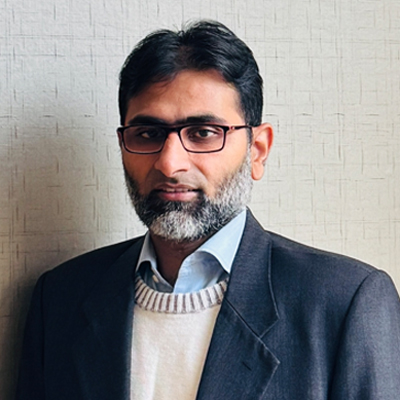
Mohsin Adhi is a second-generation family business owner and independent family advisor with offices in Canada and Pakistan. He specializes in mentoring the next-generation and advising family businesses on succession planning. He also serves on the boards of Alpha Capital and Akseer, focusing on supporting family offices in investment planning.
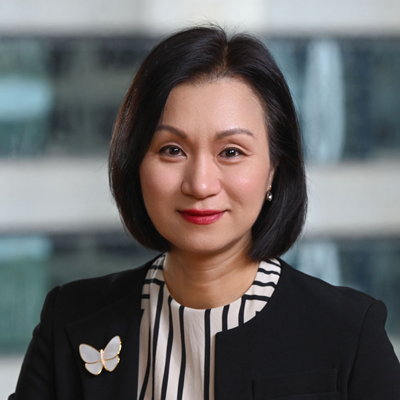
Joy Chen, is a Partner at PwC Private Clients and Family Office Services team in Hong Kong, with 20+ years cross-border experience advising private clients, entrepreneurs and family enterprise on tax planning, family governance, succession, and NextGen education. She holds FFI’s Advanced Certificates in Family Business and Wealth Advising.
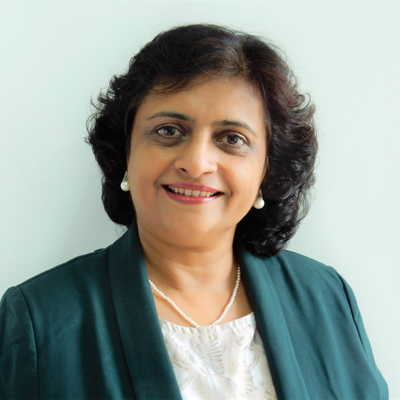
Mita Dixit, PhD guides business-families in building a culture of governance. With 25+ years’ experience, she helps families on succession, generational transition, ownership restructuring, and mentoring. An Independent Director in listed firms, she is the co-author of “The 5Gs of Family Business.”
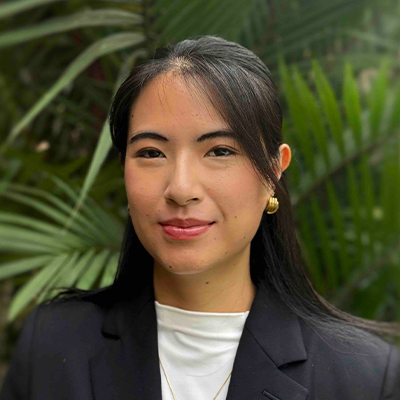
Kimberly Go, ACFBA/ACFWA, is an advisor with Lansberg Gersick Advisors (LGA) and a third-generation family enterprise member. Kimberly specializes in next-generation engagement, intergenerational alignment, and governance in complex family systems. She works with multigenerational families through continuity, helping them address conflict while guiding decision-making that balances collective legacy with individual agency.

Christian Stewart, FFI Fellow, works with enterprising families as a process consultant, coach, and family meeting facilitator. He founded Family Legacy Asia in July 2008 to help Asian families preserve their family wealth for generations by providing them with independent and objective advice on effective family governance practices. Christian also advises a small number of families on family learning and development and acts as a Chief Learning Officer. He is the recipient of the Family Firm Institute’s Interdisciplinary Achievement Award for 2021.
View this edition in our enhanced digital edition format with supporting visual insight and information.