


Topics

The Chief Governance Officer: The Role Family Enterprises Don’t Know They Need
Thank you to Jon Martinez for this week’s edition, which examines a leadership role that family enterprises may overlook: the chief governance officer.
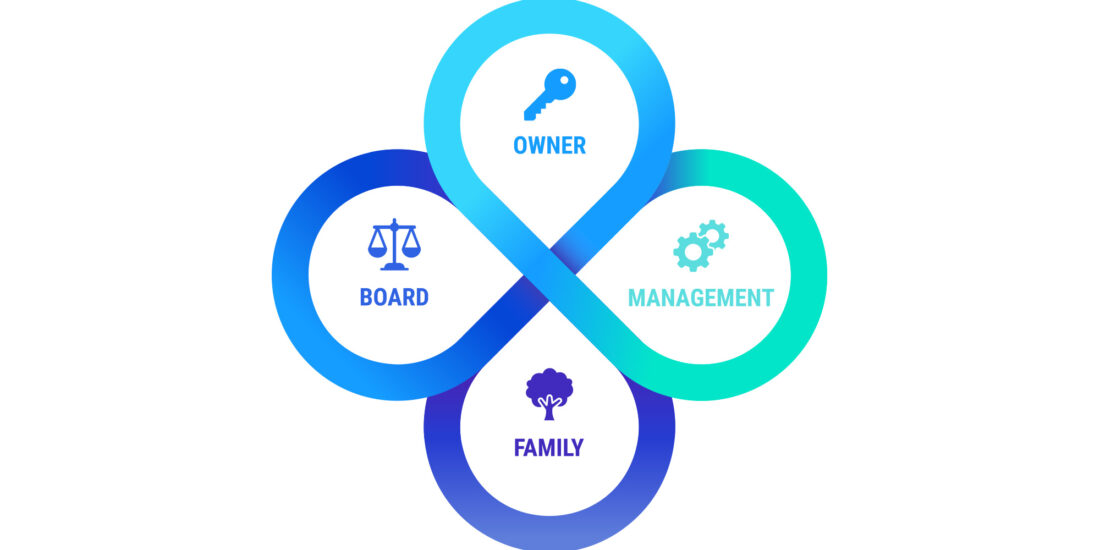
From Performance to Stewardship: Redesigning the Family Enterprise Board
Most family enterprise boards perform exactly the job they were designed to do.

When Business Conflict Is Personal: ADR Protocols for Family Enterprise Disputes
Family enterprise disputes often combine legal and financial questions with deeply personal concerns involving fairness, identity, legacy, and belonging.

The Inheritor Experience: Identity, Purpose, and Connection
Inherited wealth can create extraordinary opportunity, but it can also raise difficult questions about identity, purpose, relationships, and belonging.

Intimacy, Integration, and Inheritance: Diagnosing the Legal Risks of Family Dynamics
Family enterprise advisors regularly encounter legal issues that are easy to overlook because they are embedded in family relationships, informal practices, and expectations about the future.

Integrating the Rising Generation: Drafting and Design For Cohesion Among Purpose, Structure and Operational Governance When Planning the Estate
In this week’s edition of FFI Practitioner, William Kambas of Withers and Amy Szostak of Northern Trust explore how estate-planning structures can help prepare rising-generation family members to understand, participate in, and eventually steward shared assets.

Engaging Passive Family Shareholders: Cultural Pathways To Assurance
For family enterprise advisors, engaging passive shareholders is often framed as a governance challenge.
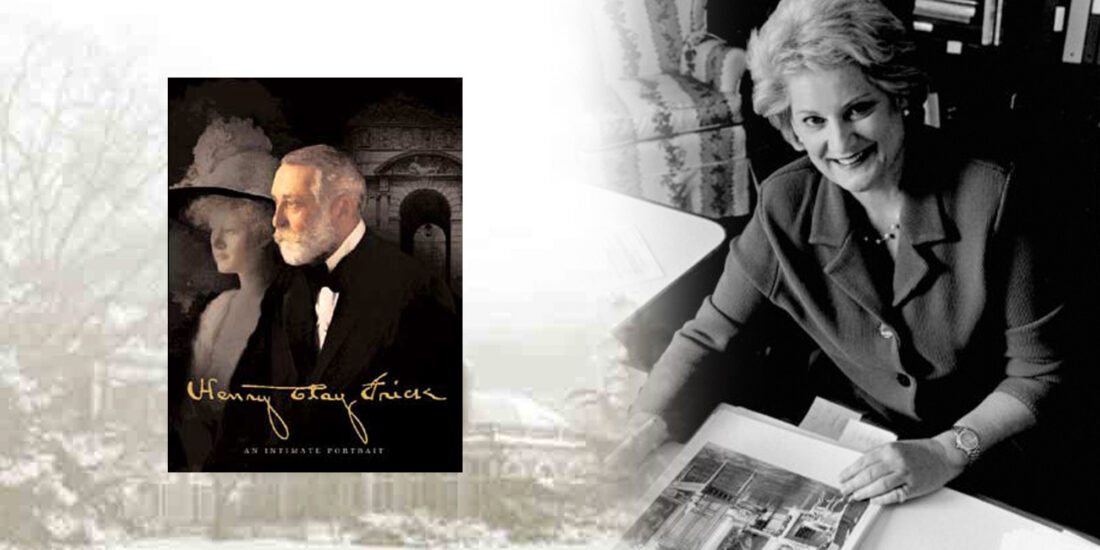
What We Inherit: Family Trauma, Art, and the Stories Objects Tell
In this week’s Practitioner podcast, Martha Frick Symington Sanger, great-granddaughter of Henry Clay Frick, explores how family trauma can live on through stories, silences, and the objects passed from one generation to the next.

When Family Businesses Misjudge CEO Successions. And How to Fix It.
Choosing a family member to lead the enterprise is rarely a purely rational decision. Familiarity, lineage, seniority, and family expectations can easily overshadow the capabilities the business will need next.