


Latest Edition
Mastering the Integration of Emotional Wellbeing and Wealth Creation in the Asian Family Enterprise Journey
What happens when a family’s financial success outpaces its emotional connection?

The Chief Governance Officer: The Role Family Enterprises Don’t Know They Need
Thank you to Jon Martinez for this week’s edition, which examines a leadership role that family enterprises may overlook: the chief governance officer.
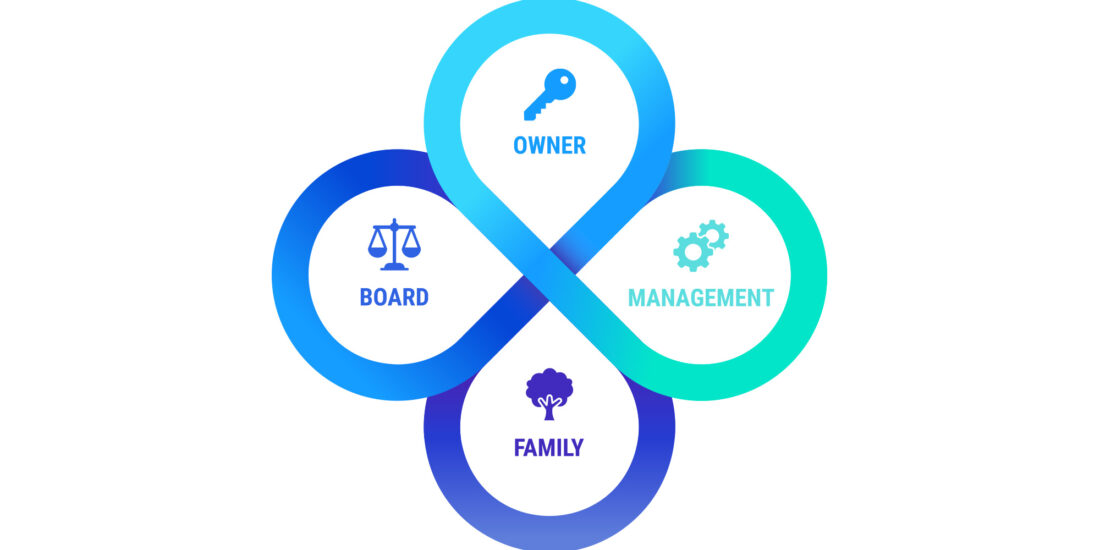
From Performance to Stewardship: Redesigning the Family Enterprise Board
Most family enterprise boards perform exactly the job they were designed to do.

When Business Conflict Is Personal: ADR Protocols for Family Enterprise Disputes
Family enterprise disputes often combine legal and financial questions with deeply personal concerns involving fairness, identity, legacy, and belonging.

The Inheritor Experience: Identity, Purpose, and Connection
Inherited wealth can create extraordinary opportunity, but it can also raise difficult questions about identity, purpose, relationships, and belonging.

Intimacy, Integration, and Inheritance: Diagnosing the Legal Risks of Family Dynamics
Family enterprise advisors regularly encounter legal issues that are easy to overlook because they are embedded in family relationships, informal practices, and expectations about the future.

Integrating the Rising Generation: Drafting and Design For Cohesion Among Purpose, Structure and Operational Governance When Planning the Estate
In this week’s edition of FFI Practitioner, William Kambas of Withers and Amy Szostak of Northern Trust explore how estate-planning structures can help prepare rising-generation family members to understand, participate in, and eventually steward shared assets.

Engaging Passive Family Shareholders: Cultural Pathways To Assurance
For family enterprise advisors, engaging passive shareholders is often framed as a governance challenge.
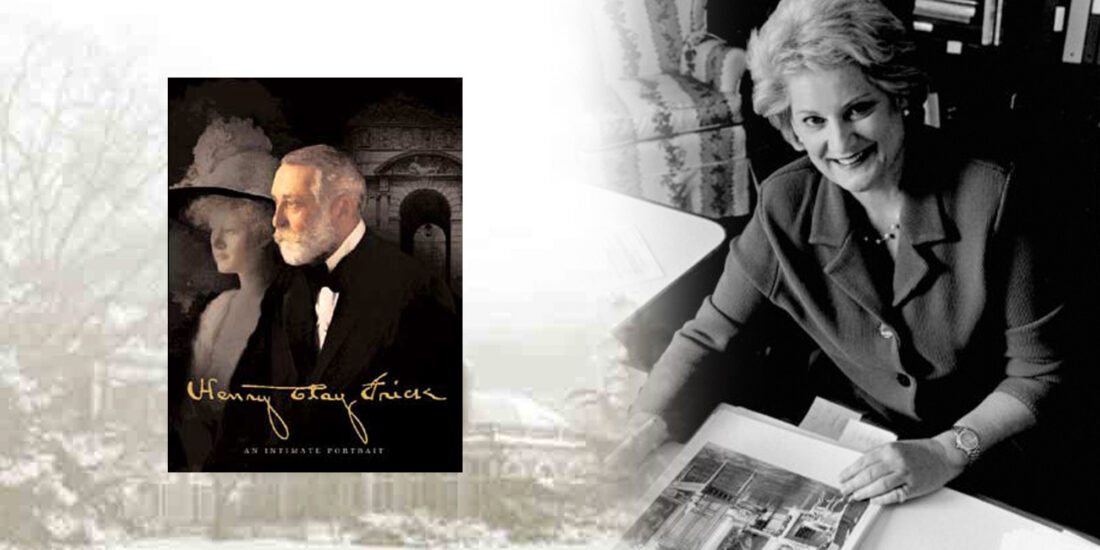
What We Inherit: Family Trauma, Art, and the Stories Objects Tell
In this week’s Practitioner podcast, Martha Frick Symington Sanger, great-granddaughter of Henry Clay Frick, explores how family trauma can live on through stories, silences, and the objects passed from one generation to the next.

When Family Businesses Misjudge CEO Successions. And How to Fix It.
Choosing a family member to lead the enterprise is rarely a purely rational decision. Familiarity, lineage, seniority, and family expectations can easily overshadow the capabilities the business will need next.

The Brain, the Story, and the Song: A Conversation with 2026 FFI Global Conference Keynote, Joseph LeDoux
How can the brain respond to something the conscious mind never perceived? And why does calming the amygdala not necessarily change the beliefs and behaviors connected to fear?

Minding the Gap: How Advisors Empower Founders to Address Transition
Drawing on survey findings and the experiences of hundreds of family enterprise advisors, Dennis Jaffe and Chris Graves examine the psychological, relational, and practical barriers that often stall transition planning.

Frozen Narratives: Why Old Feelings Keep Showing Up
Family enterprise conflicts are not always about the issue at hand. Rebecca Meyer and Carolyn Greenspon introduce the concept of "frozen narratives" and explore how unresolved interpretations of the past can shape governance, relationships, and decision-making for years to come.

The Art of the Great Question: A Cross-Cultural Framework for Deeper Client Conversations in Family Enterprise
In the fifth article in our 2026 series from FFI Virtual Study Groups, Hamza Nidaazzi and Dave Specht of the VSG for Africa examine what makes a question truly effective, especially across cultures.

Rip off the Band-Aid: When a Faster Succession Is the Right Succession
In this third issue of our 2026 series from BanyanGlobal, Rebecca Yu and Rob Lachenauer challenge the conventional wisdom of a slow succession process, arguing that, in some cases, prolonged transitions can create ambiguity, undermine new leadership, and ultimately delay the very change they are intended to support.

FFI Practitioner: Most Popular Articles of the First Half of 2026
As we reach the midpoint of 2026, we're taking a moment to look back at the editions that resonated most with our readers.

A Reflection on Family Trusts as the Longest-Lived Family Members
Family trusts are typically viewed as legal and financial structures, but what if they are also members of the family system?

The Fifth Inheritance: Can Artificial Intelligence Transmit Judgment Across Generations?
As artificial intelligence reshapes how knowledge is captured and shared, family enterprises face a provocative new question: Can judgment itself be inherited?

Prenuptial Agreements as Wealth Governance: A Framework for Family Office Leadership
Prenuptial agreements are often viewed primarily as legal documents designed to protect assets in the event of divorce.

The Geek Way in Family Businesses: Moving from Intuition to Long-Term Sustainability Without Losing the Family Soul
Family businesses often balance two powerful forces: the emotional bonds that sustain the enterprise and the governance structures needed to ensure long-term success.