



Engaging Passive Family Shareholders: Cultural Pathways To Assurance
For family enterprise advisors, engaging passive shareholders is often framed as a governance challenge.
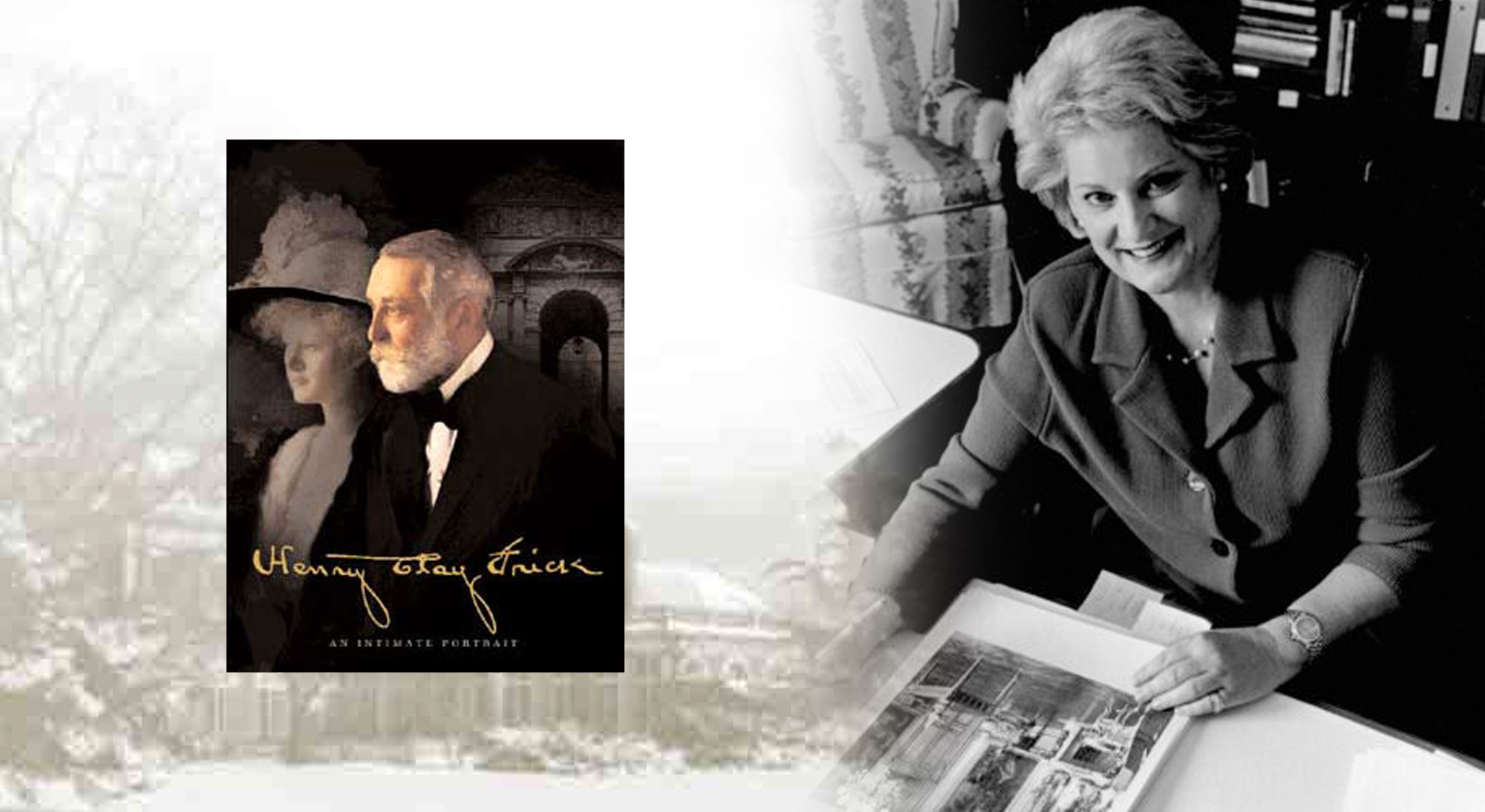
What We Inherit: Family Trauma, Art, and the Stories Objects Tell
In this week’s Practitioner podcast, Martha Frick Symington Sanger, great-granddaughter of Henry Clay Frick, explores how family trauma can live on through stories, silences, and the objects passed from one generation to the next.

When Family Businesses Misjudge CEO Successions. And How to Fix It.
Choosing a family member to lead the enterprise is rarely a purely rational decision. Familiarity, lineage, seniority, and family expectations can easily overshadow the capabilities the business will need next.

Minding the Gap: How Advisors Empower Founders to Address Transition
Drawing on survey findings and the experiences of hundreds of family enterprise advisors, Dennis Jaffe and Chris Graves examine the psychological, relational, and practical barriers that often stall transition planning.

Frozen Narratives: Why Old Feelings Keep Showing Up
Family enterprise conflicts are not always about the issue at hand. Rebecca Meyer and Carolyn Greenspon introduce the concept of "frozen narratives" and explore how unresolved interpretations of the past can shape governance, relationships, and decision-making for years to come.

Rip off the Band-Aid: When a Faster Succession Is the Right Succession
In this third issue of our 2026 series from BanyanGlobal, Rebecca Yu and Rob Lachenauer challenge the conventional wisdom of a slow succession process, arguing that, in some cases, prolonged transitions can create ambiguity, undermine new leadership, and ultimately delay the very change they are intended to support.

FFI Practitioner: Most Popular Articles of the First Half of 2026
As we reach the midpoint of 2026, we're taking a moment to look back at the editions that resonated most with our readers.

A Reflection on Family Trusts as the Longest-Lived Family Members
Family trusts are typically viewed as legal and financial structures, but what if they are also members of the family system?

The Fifth Inheritance: Can Artificial Intelligence Transmit Judgment Across Generations?
As artificial intelligence reshapes how knowledge is captured and shared, family enterprises face a provocative new question: Can judgment itself be inherited?

The Geek Way in Family Businesses: Moving from Intuition to Long-Term Sustainability Without Losing the Family Soul
Family businesses often balance two powerful forces: the emotional bonds that sustain the enterprise and the governance structures needed to ensure long-term success.
Stop Calling It Succession: How Language Is Sabotaging Family Enterprise Transitions
How we frame family enterprise transitions matters. In this thought-provoking article, Jean Meeks-Koch argues that the language commonly used by advisors—particularly the term succession—may inadvertently create resistance among founders by signaling loss, replacement, and diminished relevance.

Reflection on Ghosts in a Family System
In this week’s edition of FFI Practitioner, Jay Hughes, Mary Duke, and Stacy Allred offer the second in their 2026 series of Reflections on Family Flourishing, a companion to their upcoming new book.

What to do When Owning your Family Business Has Become an Obligation Instead of a Privilege
As an advisor working with family enterprises, it is important to recognize when ownership begins to feel like an obligation rather than a choice for next-generation members.

From Blank Page to Global Field: The Origins of Family Business Review
The creation of Family Business Review (FBR) was not inevitable. It began with a conversation among scholars and practitioners who believed that family business deserved its own field of study.

Performance Evaluation as a Cornerstone of Professionalization in Family Businesses
Performance evaluation in family enterprises is more than a human resources process—it is central to fairness, accountability, and leadership credibility.

Philanthropy as a Strategic Tool for Family Business Succession: A discussion with Joshua E. Chadajo, CEO, JEC Philanthropy
Succession in family enterprises is rarely just a legal or financial event—it is a test of leadership readiness, legitimacy, and continuity. Increasingly, research suggests that philanthropy can play a meaningful role in meeting these challenges.

Stronger Family Bonds and Better Strategic Decisions: Mediation in a Second-Generation Family Business
In the first article of a new series from the Family Firm Institute Virtual Study Groups, Paul Edelman and Nuria Lasheras Mayoral of the Mediation Group examine how a second-generation family enterprise used mediation to navigate a leadership crisis, repair strained relationships, and strengthen strategic decision-making.
FFI at 40: Honoring Our Origins and Shaping the Future
In the first issue of 2026, FFI Practitioner features insights from Debbie Bing, President of CFAR and Chair of the FFI Board of Directors.

Most Popular Articles from the First Half of 2019
We hope you’ve been enjoying the FFI Practitioner articles, interviews, cases, and research published on a diverse set of topics during the first half of 2019. In this week’s edition, we’re pleased to count down the Top 10 Most Popular editions from the first half of the year!

Write for FFI Practitioner
Every Wednesday authors for FFI Practitioner share insights on the field of family enterprise advising and consulting from a variety of vantage points. Today we’d like to invite you to Write for FFI Practitioner! And… as inspiration, we point you toward examples of articles from contributors across the globe and some topics that could use more contributors.