


Governance
Authors’ opinions and reflections on family governance strucutures suitable for use with various generational, cultural and industry related clients.
The Inheritor Experience: Identity, Purpose, and Connection
Inherited wealth can create extraordinary opportunity, but it can also raise difficult questions about identity, purpose, relationships, and belonging.

Intimacy, Integration, and Inheritance: Diagnosing the Legal Risks of Family Dynamics
Family enterprise advisors regularly encounter legal issues that are easy to overlook because they are embedded in family relationships, informal practices, and expectations about the future.

Integrating the Rising Generation: Drafting and Design For Cohesion Among Purpose, Structure and Operational Governance When Planning the Estate
In this week’s edition of FFI Practitioner, William Kambas of Withers and Amy Szostak of Northern Trust explore how estate-planning structures can help prepare rising-generation family members to understand, participate in, and eventually steward shared assets.

Engaging Passive Family Shareholders: Cultural Pathways To Assurance
For family enterprise advisors, engaging passive shareholders is often framed as a governance challenge.

What We Inherit: Family Trauma, Art, and the Stories Objects Tell
In this week’s Practitioner podcast, Martha Frick Symington Sanger, great-granddaughter of Henry Clay Frick, explores how family trauma can live on through stories, silences, and the objects passed from one generation to the next.

When Family Businesses Misjudge CEO Successions. And How to Fix It.
Choosing a family member to lead the enterprise is rarely a purely rational decision. Familiarity, lineage, seniority, and family expectations can easily overshadow the capabilities the business will need next.

Minding the Gap: How Advisors Empower Founders to Address Transition
Drawing on survey findings and the experiences of hundreds of family enterprise advisors, Dennis Jaffe and Chris Graves examine the psychological, relational, and practical barriers that often stall transition planning.

A Reflection on Family Trusts as the Longest-Lived Family Members
Family trusts are typically viewed as legal and financial structures, but what if they are also members of the family system?

The Geek Way in Family Businesses: Moving from Intuition to Long-Term Sustainability Without Losing the Family Soul
Family businesses often balance two powerful forces: the emotional bonds that sustain the enterprise and the governance structures needed to ensure long-term success.
Stop Calling It Succession: How Language Is Sabotaging Family Enterprise Transitions
How we frame family enterprise transitions matters. In this thought-provoking article, Jean Meeks-Koch argues that the language commonly used by advisors—particularly the term succession—may inadvertently create resistance among founders by signaling loss, replacement, and diminished relevance.

Welcoming the Second Trustee
The transition from a first trustee to a second trustee represents a pivotal moment in the life of a family system shaped by trusts.
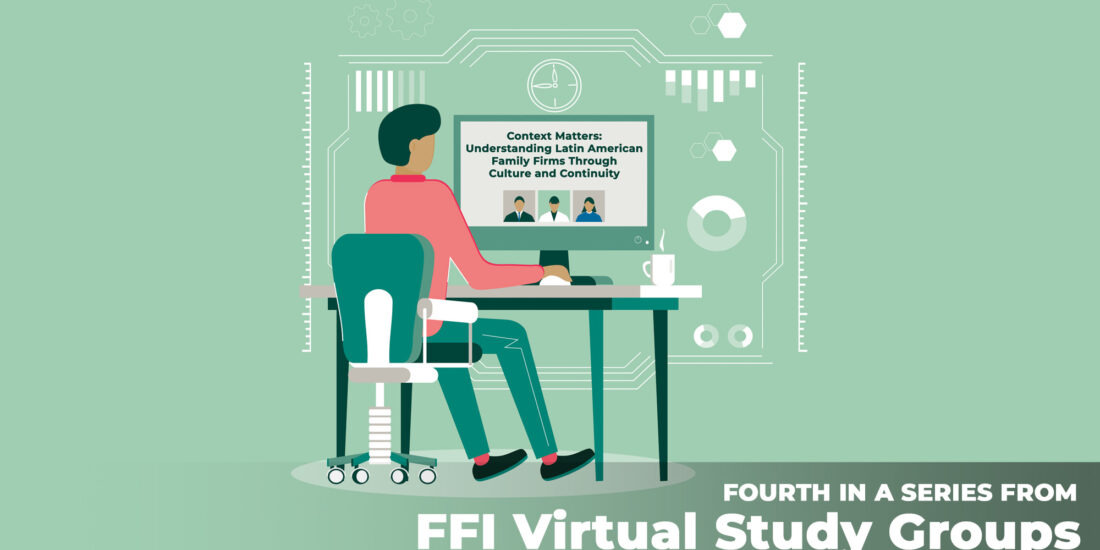
Context Matters: Understanding Latin American Family Firms Through Culture and Continuity
In the fourth article in a series from FFI Virtual Study Groups, contributors examine how context shapes the practice of advising family enterprises in Latin America.

What to do When Owning your Family Business Has Become an Obligation Instead of a Privilege
As an advisor working with family enterprises, it is important to recognize when ownership begins to feel like an obligation rather than a choice for next-generation members.

Listening First: A Japanese Approach to Family Decisions
In this week’s edition of FFI Practitioner, Jay Hughes, Mary Duke, and Stacy Allred offer the first in their series of Reflections on Family Flourishing, a companion to their upcoming new book.

Family Office Investment in US Sports: Combining Financial Returns with Social Engagement
Thanks to the authors of this article—the first in the 2026 series from Withers—for their analysis of multi-generational investing in sports within the US.

Performance Evaluation as a Cornerstone of Professionalization in Family Businesses
Performance evaluation in family enterprises is more than a human resources process—it is central to fairness, accountability, and leadership credibility.
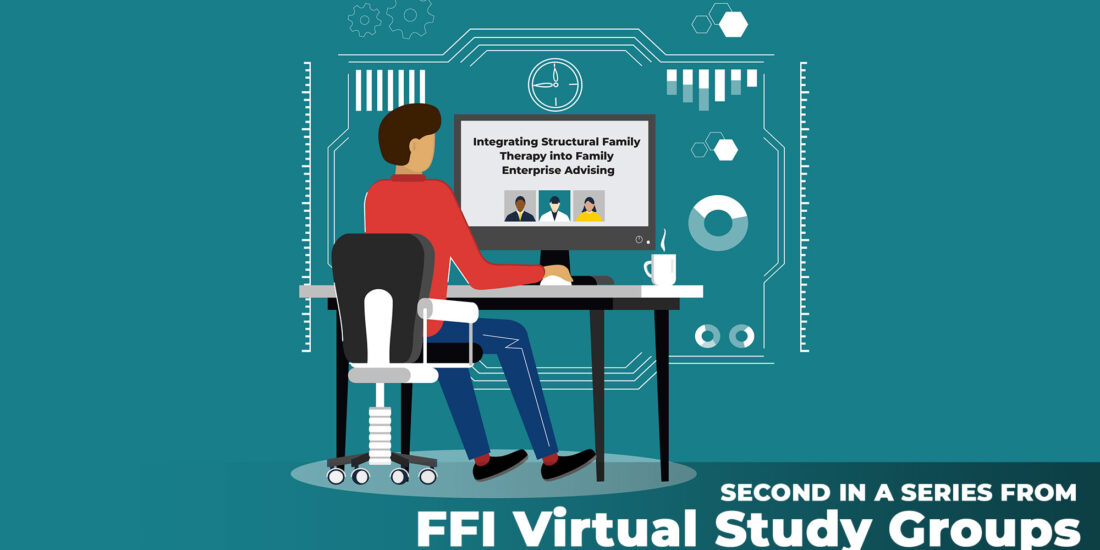
Integrating Structural Family Therapy into Family Enterprise Advising
Family enterprise advisors are often trained through the lens of Bowen Family Systems Theory, which remains one of the most influential frameworks in the field.

The First Trustee
In this first article of a quarterly series in 2026, Jay Hughes and Keith Whitaker turn their attention to a pivotal but often underexamined moment: the experience of engaging a trustee for the first time.

Philanthropy as a Strategic Tool for Family Business Succession: A discussion with Joshua E. Chadajo, CEO, JEC Philanthropy
Succession in family enterprises is rarely just a legal or financial event—it is a test of leadership readiness, legitimacy, and continuity. Increasingly, research suggests that philanthropy can play a meaningful role in meeting these challenges.

How to Manage Pace of Change So It Doesn’t Manage You
Change initiatives in enterprising families rarely fail because of bad ideas or lack of commitment.